
38–40 Frenchmans Road
Randwick NSW 2031
38–40 Frenchmans Road
Randwick NSW 2031
Skin laxity is the loss of firmness and elasticity that causes skin to sag. It happens as collagen and elastin, the proteins that keep skin firm and springy, break down with age, sun exposure and hormonal changes such as menopause. It often shows first as softening along the jawline (jowls), heaviness in the cheeks, hooding around the eyes and crepey skin on the neck.
At Skin Clinic Blyss, we use non-surgical lifting and tightening treatments that work beneath the surface to stimulate new collagen. Ultraformer MPT uses focused ultrasound to reach the deep support layers of the skin, while RF micro-needling tightens and thickens the skin from within. Because collagen takes time to build, results develop gradually over two to three months and look natural.
Every plan begins with a consultation, where we assess your skin and facial structure and give you honest advice on what non-surgical treatment can achieve for you. For fine lines, texture and dullness, see our Ageing & Fine Lines treatments.
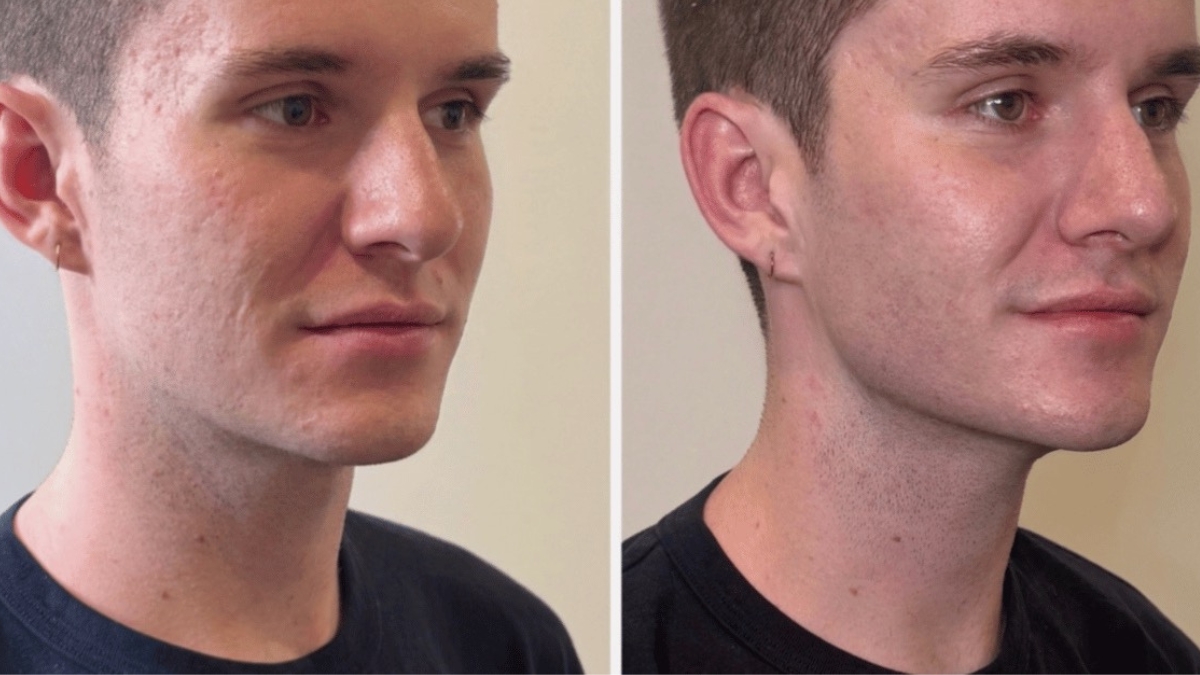
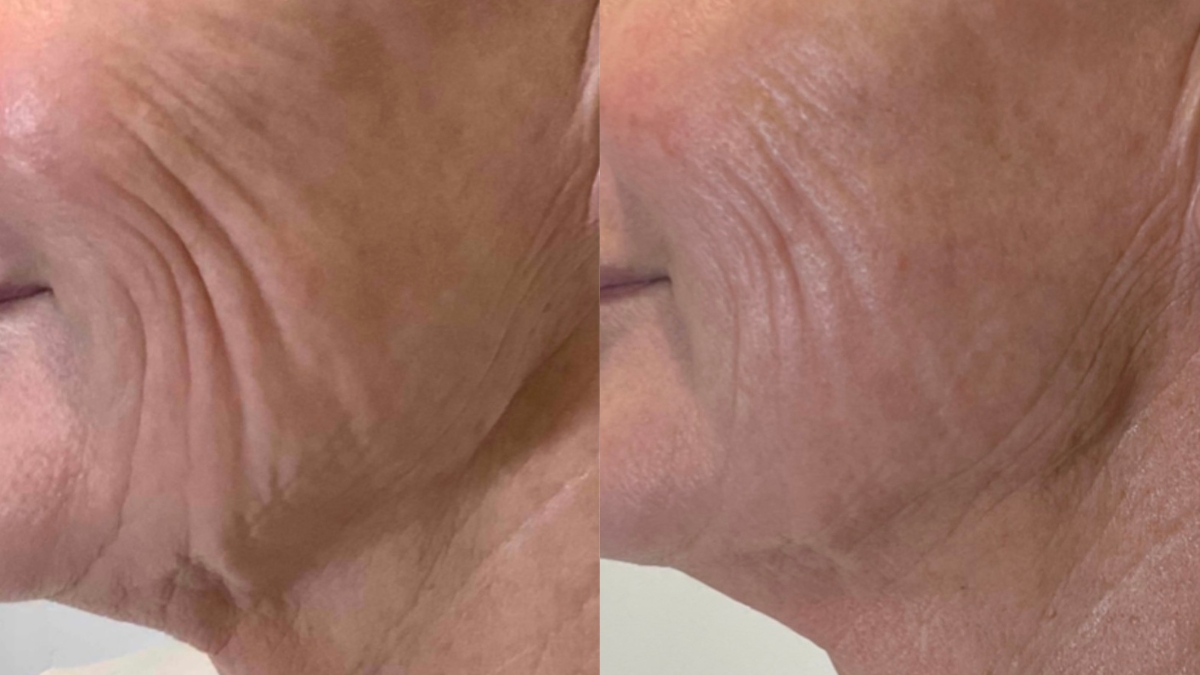
Yes. Mild to moderate skin laxity can be improved without surgery using treatments that stimulate new collagen, such as Ultraformer MPT (focused ultrasound) and RF micro-needling. Results are gradual and natural-looking, with little to no downtime. For significant sagging or excess skin, surgery may give a more dramatic result, and we'll always tell you honestly if that's the case.
Results from non-surgical skin tightening usually develop over two to three months and can last 12 months or more, depending on your age, lifestyle and skin quality. Because skin continues to age, we recommend a maintenance treatment around once a year, supported by daily SPF and a collagen-supporting home-care routine.
