

Understanding your skin type is one of the most important steps in achieving healthy, glowing skin. We refer to skin types based on oil flow in your skin – don’t confuse this with skin conditions. Whether your skin is normal, oily, dry or combination, knowing what type you have allows you to choose the right skincare products, avoid barrier damage and get the most from your treatments.
In this guide, our dermal clinicians explain the different skin types, how to tell which one you have, and when to seek professional advice for the best results.
Key Takeaways
Why is it important to know your skin type?
Knowing your skin type helps you choose the right skincare routine and avoid damaging your skin barrier.
What are the main skin types described?
The main skin types are normal, oily, dry and combination.
What characterises normal skin?
Normal skin is balanced—neither notably oily nor dry—with small pores, minimal blemishes and smooth texture.
What signs suggest you have oily skin?
Oily skin features excess sebum production, enlarged pores, blackheads/whiteheads, a shiny complexion and thicker texture.
What indicates dry skin, and what causes it?
Dry skin is caused by low oil production (often worsened by age, hormones, winter) and shows rough texture, tightness, flaky patches and sometimes itchiness.
What is combination skin and how does it present?
Combination skin involves more than one skin type (commonly oily in the T-zone and normal or dry elsewhere) and can be tricky to treat.
What is the recommended next step after you identify your skin type?
Book a skin consultation with expert dermal clinicians to receive a comprehensive analysis and tailored skincare plan.
Table of Contents
Why Knowing Your Skin Type Matters
Your skin type affects everything — from the cleanser you should use to the treatments that deliver the best results. Using the wrong products can lead to breakouts, dryness or irritation, and over time, can damage your skin barrier.
When you understand your skin type, you can:
- Choose the right skincare ingredients
- Prevent unnecessary irritation
- Keep your skin balanced and hydrated
- Get better, longer-lasting treatment outcomes
How to Tell What Skin Type You Have (at Home Test)
The easiest way to find out your skin type is by doing a simple at-home test. Note, skin often can have a few different skin types.
STEP 1: Cleanse your face with a gentle cleanser, then pat dry.
STEP 2: Wait around 30 minutes without applying any products.
STEP 3: Check your skin in the mirror:
- Tight, rough or flaky? → Dry Skin
- Shiny all over? → Oily Skin
- Shiny T-zone only (forehead, nose, chin)? → Combination Skin
- Feels balanced and smooth? → Normal Skin
Normal Skin — Balanced and Healthy
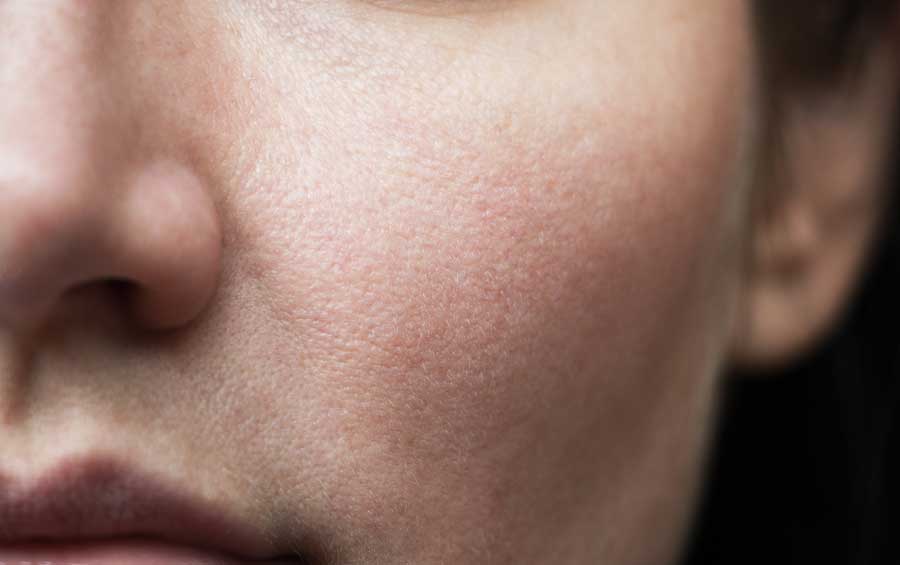
Having ‘normal’ skin means your skin is well-balanced — not too oily and not too dry. You may notice a little shine on your forehead, nose and chin on warmer days, but overall, your skin feels comfortable and smooth.
Signs of normal skin include:
- Even tone and smooth texture
- Small, refined pores
- Minimal blemishes or irritation
- Good blood circulation and natural glow
Even with balanced skin, it’s still important to maintain a good skincare routine to protect your barrier and prevent future concerns.
What Type of Facial Treatment is Best for Normal Skin
If you have normal skin, you’re in the lucky position of being able to enjoy most facial types. The goal is maintenance — keeping your skin balanced, hydrated and radiant.
Recommended Normal skin facials:
- Customised Enzyme or Hydration Treatments – Gently exfoliates and refreshes without over-stimulating the skin.
- LED Light Therapy Facial – Boosts collagen and maintains a healthy, glowing complexion.
- Seasonal Skin Refresh Facial Treatment– Ideal every 4–6 weeks to maintain optimal skin function.
Tip: Focus on consistency rather than intensity. A monthly facial will help preserve your skin’s natural equilibrium and glow.
Oily Skin — Managing Shine and Breakouts

Oily skin produces more sebum (oil) than other skin types. It’s often influenced by genetics, hormones, stress, diet or certain products and medications.
Common signs of oily skin:
- Enlarged pores
- Shiny appearance, especially mid-day
- Frequent blackheads, whiteheads or acne
- Thicker skin texture
A common myth is that oily skin doesn’t need moisturiser. In fact, skipping hydration can make oil production worse. Our clinicians recommend using a cream (yes, cream) cleanser twice daily and applying an oil-free, lightweight moisturiser to balance the skin.
What Type of Facial is Best for Oily Skin
Oily skin benefits from facials that balance oil production, deeply cleanse pores and prevent congestion without stripping the skin barrier.
Recommended Oily Skin facials:
- Purifying, Deep Cleansing or Chemical Peel – Removes impurities and helps manage blackheads and excess sebum.
- LED Blue Light – Kills acne-causing bacteria and reduces inflammation.
- LED Red or Infrared – to treat inflammation and healing.
- Hydrafacial Treatment – Exfoliates dead cells and clears clogged pores for a smoother finish.
Tip: Avoid overly harsh exfoliants or drying products; gentle yet thorough cleansing is key.
Dry Skin — Restoring Moisture and Comfort

Dry skin produces less natural oil, leading to rough texture and tightness — especially in winter or as we age. Hormonal changes, such as menopause, can also make the skin drier over time.
You may have dry skin if you notice:
- Flakiness or dullness
- Tightness after cleansing
- Rough texture or itchiness
- Fine lines that appear more visible
To restore comfort, use a gentle, hydrating cleanser, avoid hot showers, and apply a barrier-repairing moisturiser with ceramides or hyaluronic acid. Professional treatments like hydrating facials or LED therapy can also boost moisture retention.
What Type of Facial Treatment is Best for Dry Skin
Dry skin needs nourishment and hydration to strengthen the barrier and restore a supple texture. The best facials focus on replenishment, not exfoliation.
Recommended Dry Skin facials:
- Dermal Delivery Infusion Facial Treatments – Replenishes moisture using barrier repair ingredients and antioxidant serums.
- LED Light Therapy Facial – Encourages skin repair and boosts hydration. Red or Infrared ONLY
- Nourishing Barrier Repair Facial and Dermal Delivery – Strengthens dry, compromised skin with lipid-rich products.
Tip: Regular professional hydration facials can dramatically improve comfort and smoothness, especially during winter or post-holiday skin recovery.
Combination Skin — Balancing Different Areas

Combination skin features both oily and dry areas — usually an oily T-zone (forehead, nose, chin) with normal or dry cheeks. This type can be challenging because you’re managing multiple concerns at once.
Signs of combination skin:
- Oily T-zone with dry or normal cheeks
- Occasional breakouts in oily areas
- Sensitivity or dehydration on cheeks
- Feels dehydrated but oily at the same time
Our dermal clinicians can help design a tailored skincare routine to balance oil production while keeping dry areas nourished. In most cases, a combination of lightweight serums with targeted ingredients and gentle exfoliation works best.
What Type of Facial is Best for Combination Skin
Combination skin requires balance — clearing congestion in oily areas while soothing and hydrating the drier zones. Customised facials work best for this type.
Recommended Combination skin facials:
- Bespoke Combination Facial Treatments– Targets different areas with tailored products and techniques.
- Chemical Exfoliation + LED Therapy – Gently refines texture while calming sensitive zones.
- Hydrafacial– Four steps to deep clean, resurface and rehydrates simultaneously for smoother, balanced skin and brighter skin.
Tip: Speak with your clinician about alternating between purifying and hydrating facials to keep all areas of your skin in harmony.
FAQ: Understanding Your Skin Type
Why is it important to know your skin type?
- It helps you choose the right products, protect your barrier and prevent breakouts or dryness.
Can my skin type change over time?
- Yes — hormonal shifts, ageing, stress and climate changes can alter how much oil your skin produces.
What’s the best professional treatment for my skin type?
- A personalised skin consultation ensures your products and in-clinic treatments match your unique skin needs.
Get the Right Advice

In a world filled with beauty “hacks”, social media trends and influencer recommendations, it’s easy to feel confused about what your skin really needs. At Skin Clinic Blyss, our team of expert dermal clinicians, therapists and registered nurses are here to guide you with evidence-based advice and customised treatment plans.
Our Skin Consultations are the perfect first step to understanding your skin type and building a routine that works for you. You’ll receive a professional skin analysis, expert recommendations and a treatment plan designed for healthy, radiant skin.
Book A Consultation
Book your Skin Consultation in Sydney today and receive a comprehensive analysis and breakdown of your skin as well as a skincare plan with recommended products and treatments. You can always chat with our team on (02) 9664 8011.
About the Author
Jodie King (BDermSc) — Dermal Clinician and Director of Skin Clinic Blyss. With over 20 years’ experience in advanced skin health and rejuvenation, Jodie specialises in evidence-based treatments to restore skin confidence and barrier integrity.